



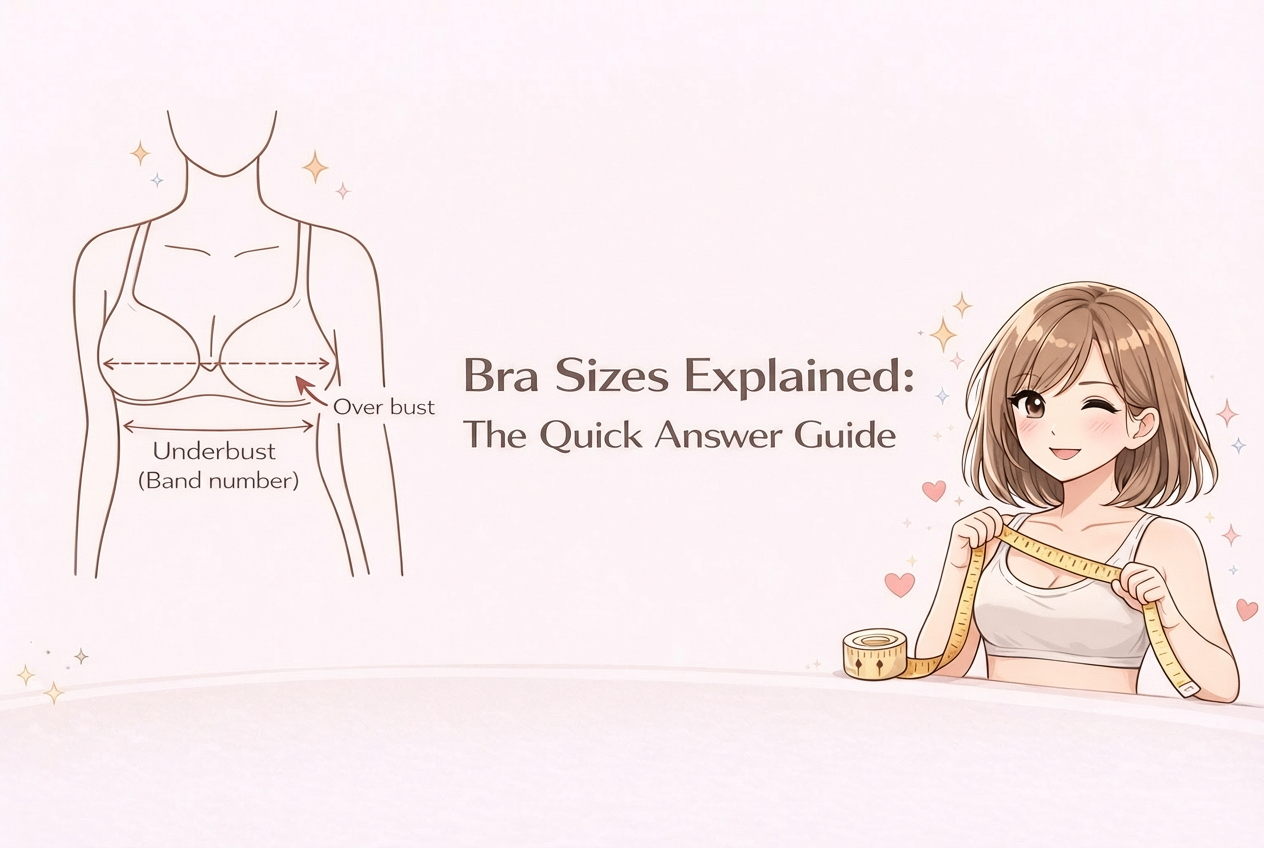
Bra Size Chart Explained: What 34B, 36C, 75B and 80C Really Mean
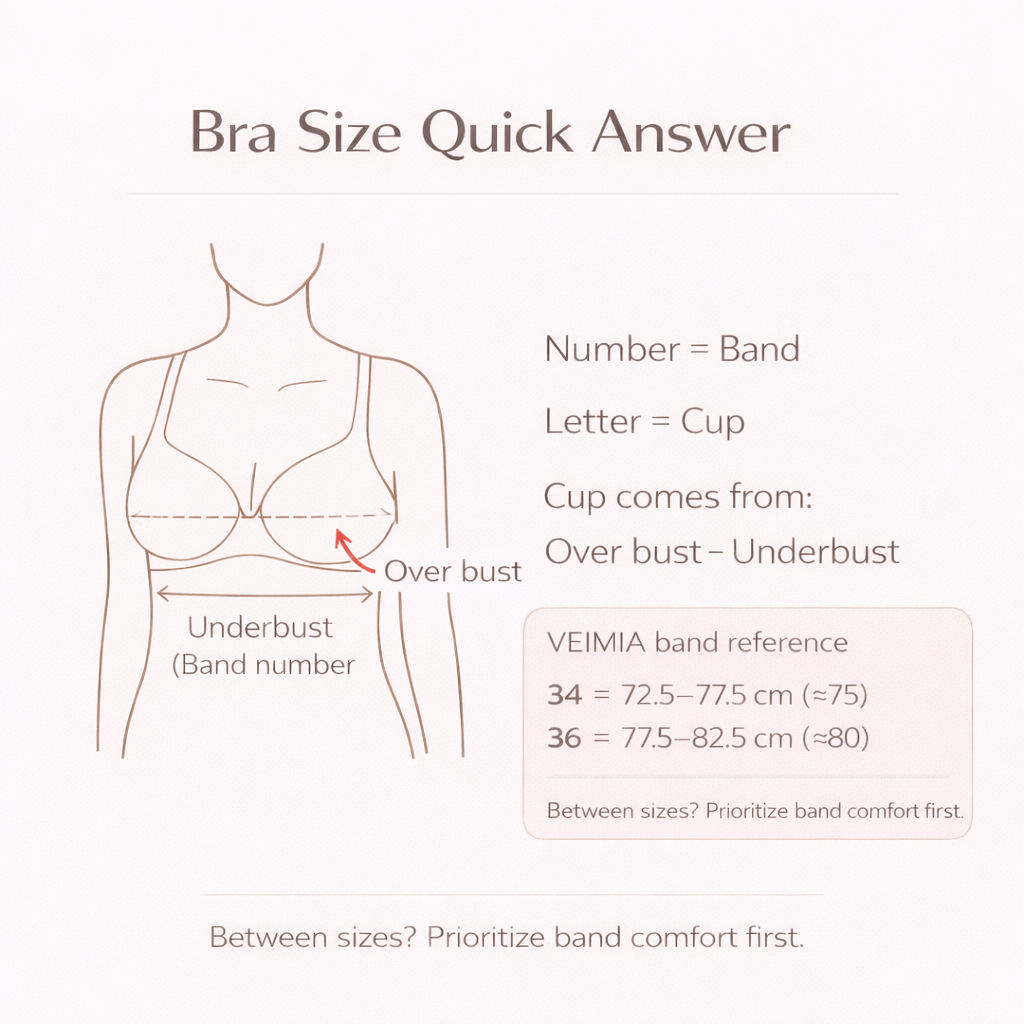
If you see sizes like 34B, 36C, 75B, 80C, the easiest way to read them is this: the number is your band size and the letter is your cup size.
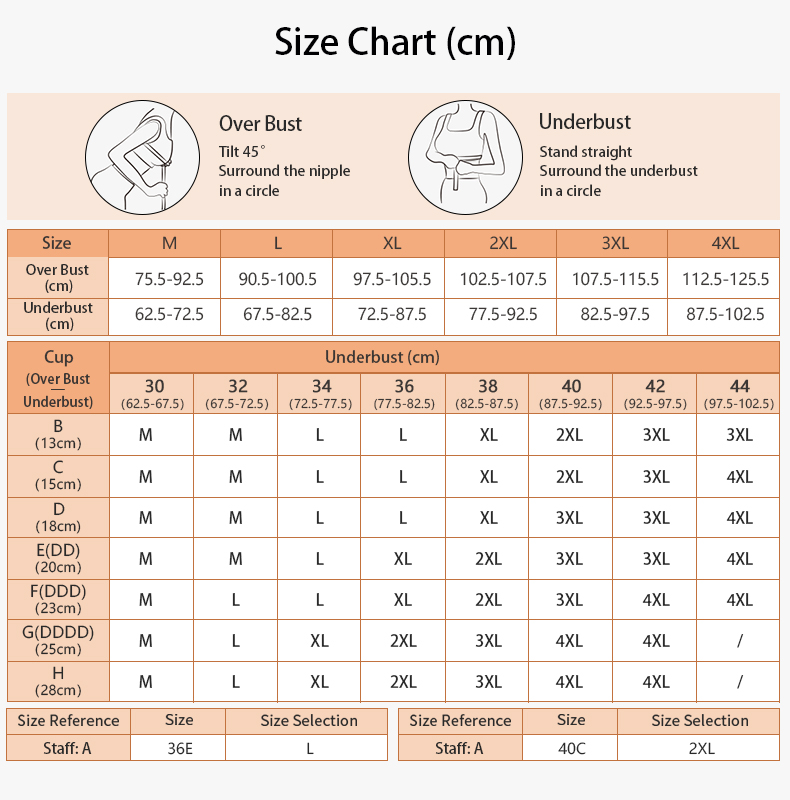
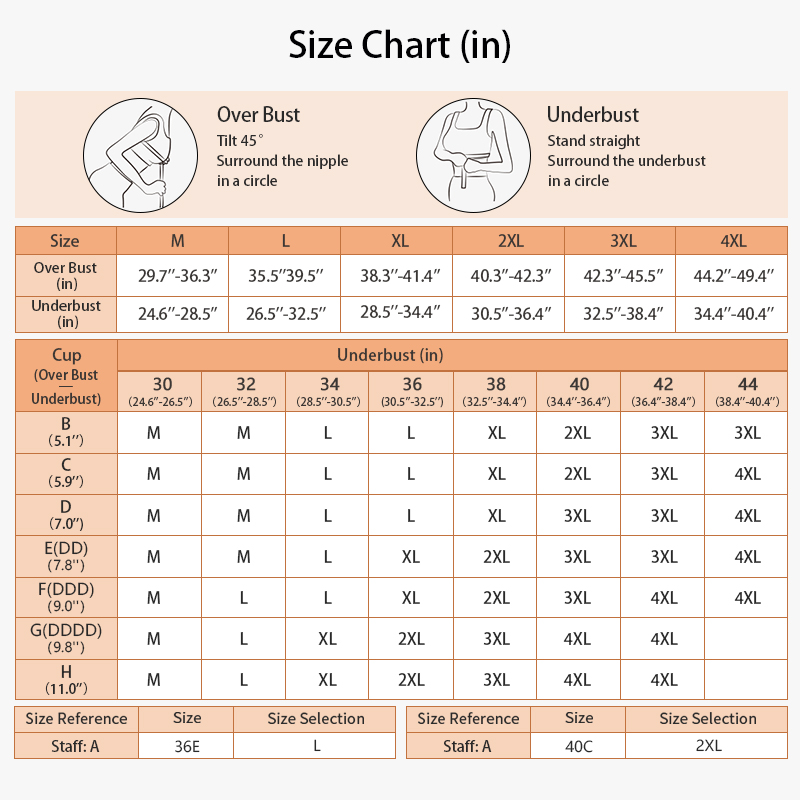
In VEIMIA’s reference chart, 34 usually matches underbust 72.5–77.5 cm and 36 usually matches 77.5–82.5 cm. In cm-based systems, these often line up with 75 and 80.
If you are between two sizes, prioritize band comfort and stability first, then adjust the cup. That single change makes bra shopping much less confusing.
Quick Answer (Summary)
If you are searching for a fast answer before diving into charts, here is the practical version:
- The number is your band size, based on the measurement around your ribcage under the bust.
- The letter is your cup size, guided by the difference between over bust and underbust.
- In VEIMIA’s chart, 34 = underbust 72.5–77.5 cm and 36 = underbust 77.5–82.5 cm, which are commonly labeled 75 and 80 in cm-based systems.
If you are on the border between two band sizes, start by choosing the band that feels stable without digging in. Then refine the cup if needed.
What do bra sizes mean?
A bra size has two parts:
- Band size (number): how wide your band is, measured under the bust.
- Cup size (letter): based on how much larger your over bust is compared with your underbust.
Important: cup letters are not absolute. A “C cup” changes volume when the band changes. That is why 34C and 36C do not fit the same way even though they share the same cup letter.
The best way to read a bra size is always band + cup together, never the letter alone.
A simple daily starting point
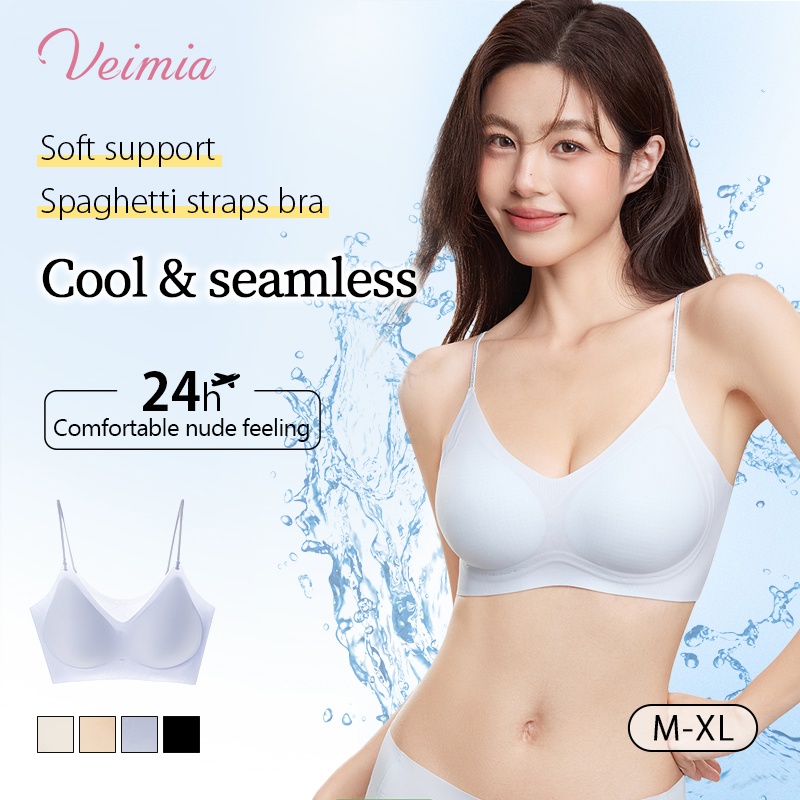
VEIMIA Cooling Seamless Bra
Once you understand your band and cup, the first bra to test is usually not the most dramatic one. It is the one you can actually wear often. A cooling seamless bra makes sense here because many SG & MY shoppers care just as much about breathable comfort as they do about size accuracy.
How to measure your bra size at home (3 steps)
You only need a soft measuring tape.
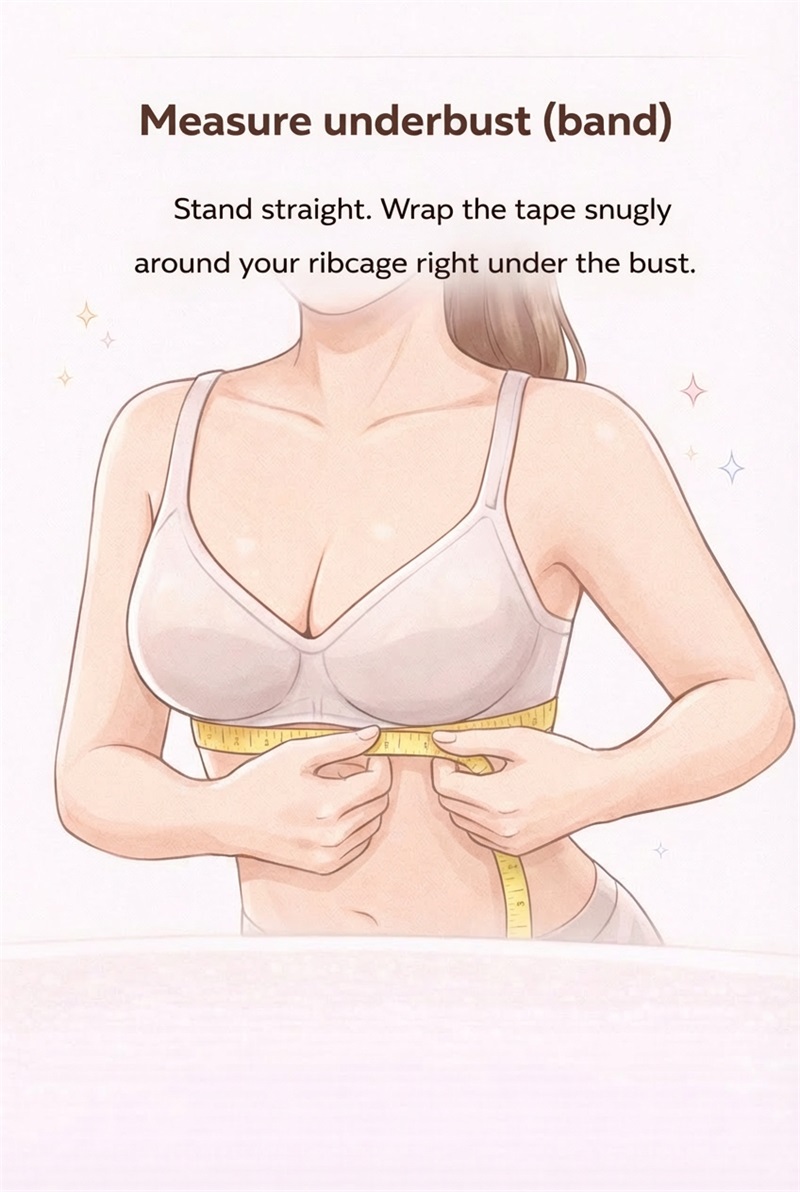
Step 1 — Measure underbust (band)
Stand straight. Wrap the tape snugly around your ribcage right under the bust. Keep the tape level and close to the body without pulling painfully tight.
Step 2 — Measure over bust (VEIMIA method)
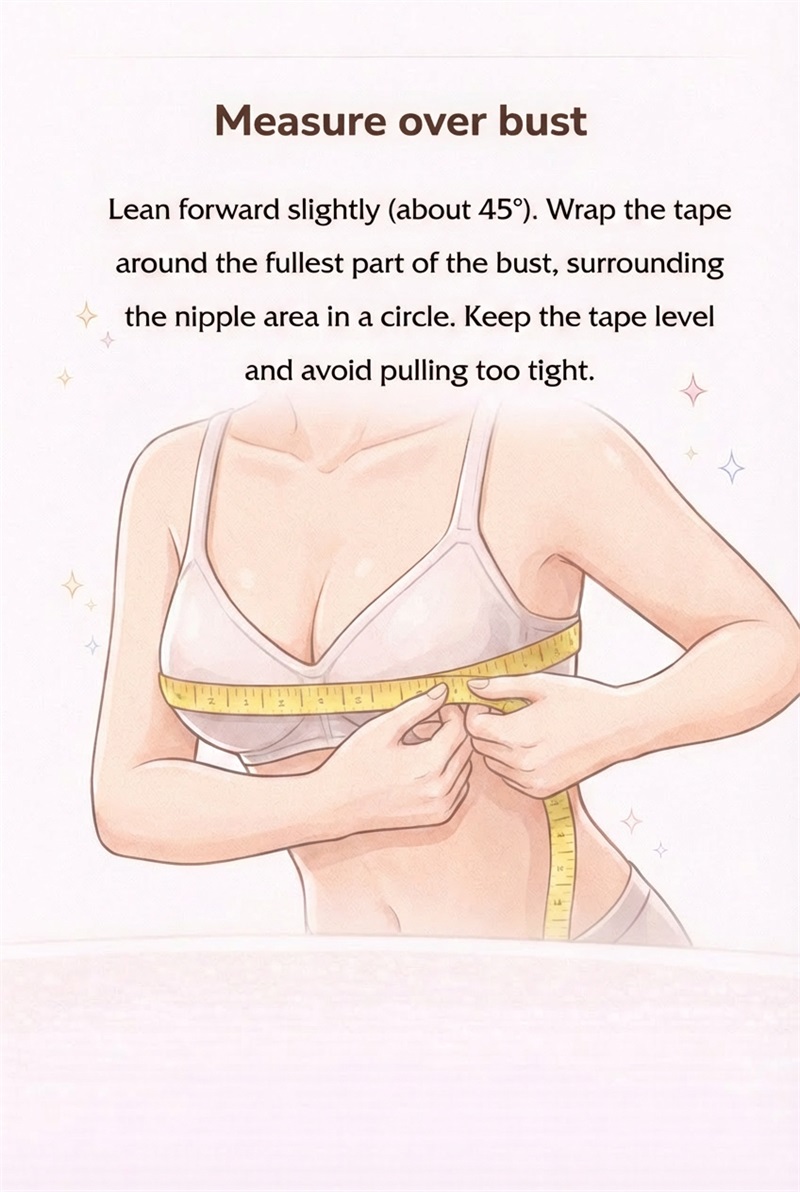
Lean forward slightly, about 45°. Wrap the tape around the fullest part of the bust, surrounding the nipple area in a circle. Keep the tape level and avoid pulling too tight, because that can distort the reading.
Step 3 — Use underbust + difference to find your size
- Match your underbust to the correct band range.
- Calculate over bust minus underbust to get your cup difference.
- Use both together to choose your recommended size.
A practical measuring tip
If your numbers sit exactly on a border, choose the band that feels more stable first. A comfortable stable band usually solves more fit issues than obsessing over the letter alone.

Easy after-measuring option
VEIMIA Comfortable Wireless Cami Bra
If you have just measured and want a low-pressure way to test your fit in real life, this kind of wireless cami bra is a gentle place to start. It makes sense for women who want smoother support without too much structure while confirming whether their band feels right through a full day.
Band conversion: 34/36 vs 75/80 (VEIMIA reference)
VEIMIA’s band labels follow these underbust ranges:
| Band label | Underbust (cm) | Underbust (in) | Common EU/Asia label |
|---|---|---|---|
| 30 | 62.5–67.5 | 24.6–26.5 | 65 |
| 32 | 67.5–72.5 | 26.5–28.5 | 70 |
| 34 | 72.5–77.5 | 28.5–30.5 | 75 |
| 36 | 77.5–82.5 | 30.5–32.5 | 80 |
| 38 | 82.5–87.5 | 32.5–34.4 | 85 |
| 40 | 87.5–92.5 | 34.4–36.4 | 90 |
| 42 | 92.5–97.5 | 36.4–38.4 | 95 |
| 44 | 97.5–102.5 | 38.4–40.4 | 100 |
Quick takeaway:
- Underbust 72.5–77.5 cm → band 34, often labeled 75
- Underbust 77.5–82.5 cm → band 36, often labeled 80
-and-36-(77-5%E2%80%9382-5-cm)-underbust-ranges.png?w=1024&h=1024)
A seasonal shopping moment
Measure first, then shop smarter
If you are buying after checking your band and cup, this is a good time to look at VEIMIA’s current spring event. It is especially useful when you want to compare more than one style instead of making a one-bra guess.
Cup guide: over bust–underbust difference (VEIMIA reference)
VEIMIA’s chart uses the difference between over bust and underbust to guide cup letters:
| Cup | Difference (cm) | Difference (in) |
|---|---|---|
| B | 13 cm | 5.1" |
| C | 15 cm | 5.9" |
| D | 18 cm | 7.0" |
| E (DD) | 20 cm | 7.8" |
| F (DDD) | 23 cm | 9.0" |
| G (DDDD) | 25 cm | 9.8" |
| H | 28 cm | 11.0" |
How to use this:
- Find your band from your underbust range
- Calculate your difference (over bust − underbust)
- Match the difference to the cup letter
Example: if your underbust falls into the 34 band range and your difference is 15 cm, you can start with 34C, often labeled 75C.
-in-cm-and-inches.png?w=1024&h=1024)
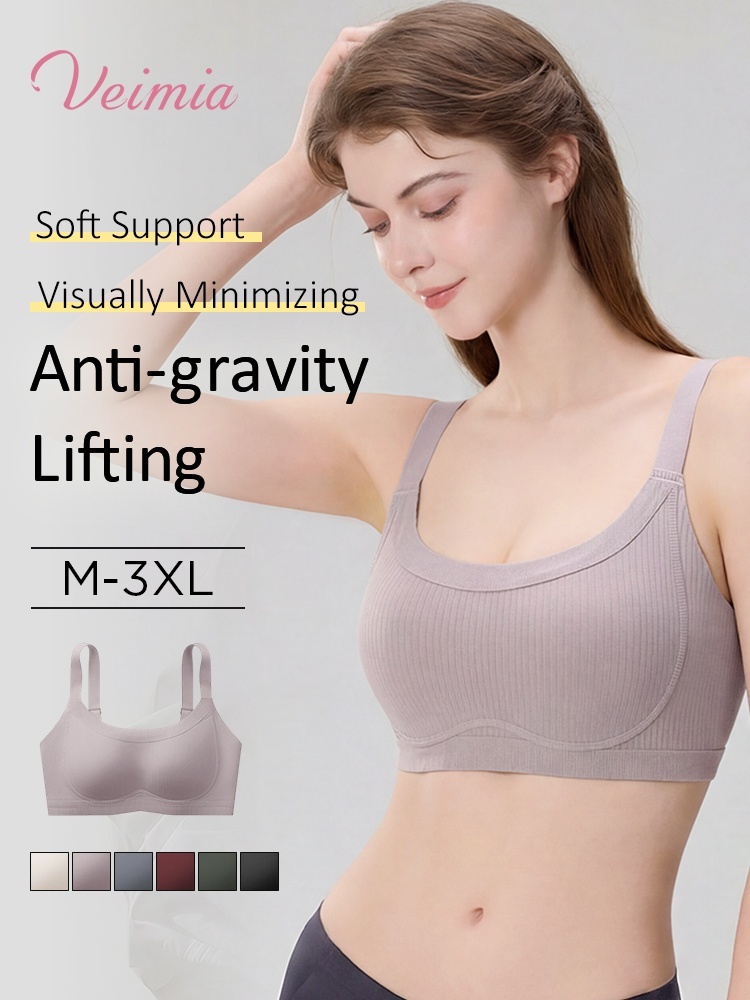
VEIMIA Enhanced Anti-sagging Bra
If your measurements are right but you still want a more lifted and stable shape, a softer anti-sagging style is often the smartest next step. It supports without forcing you into a heavier look.
View Product
VEIMIA Minimizer Bra
This is useful when your numbers are clear but your outfits still feel too bulky in the bust area. A minimizer style can help smooth the line under shirts, knits, and workwear without changing your actual size.
View ProductSister sizes: fix band comfort without changing cup volume
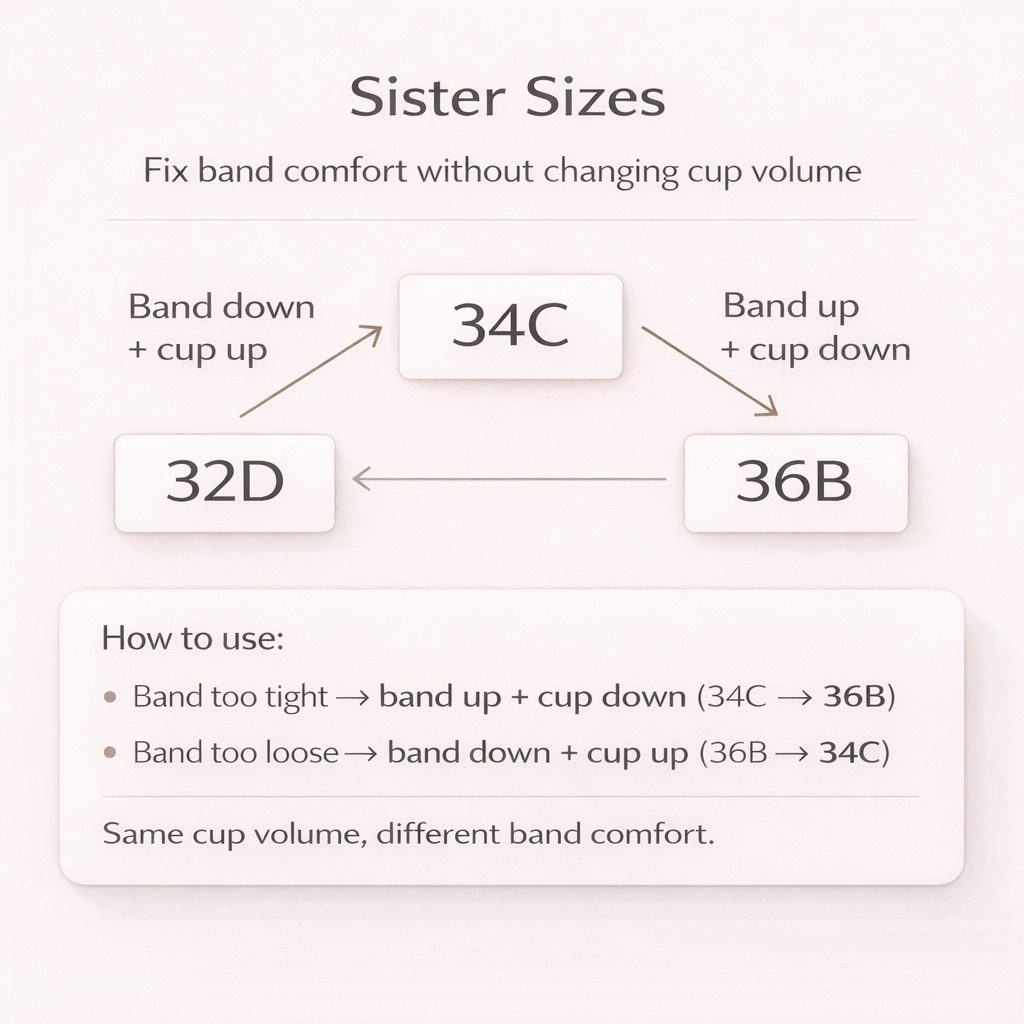
If your cups feel right but the band does not, use sister sizing:
- Band too tight → band up + cup down
Example: 34C → 36B - Band too loose → band down + cup up
Example: 36B → 34C
This helps you keep a similar cup volume while improving comfort.
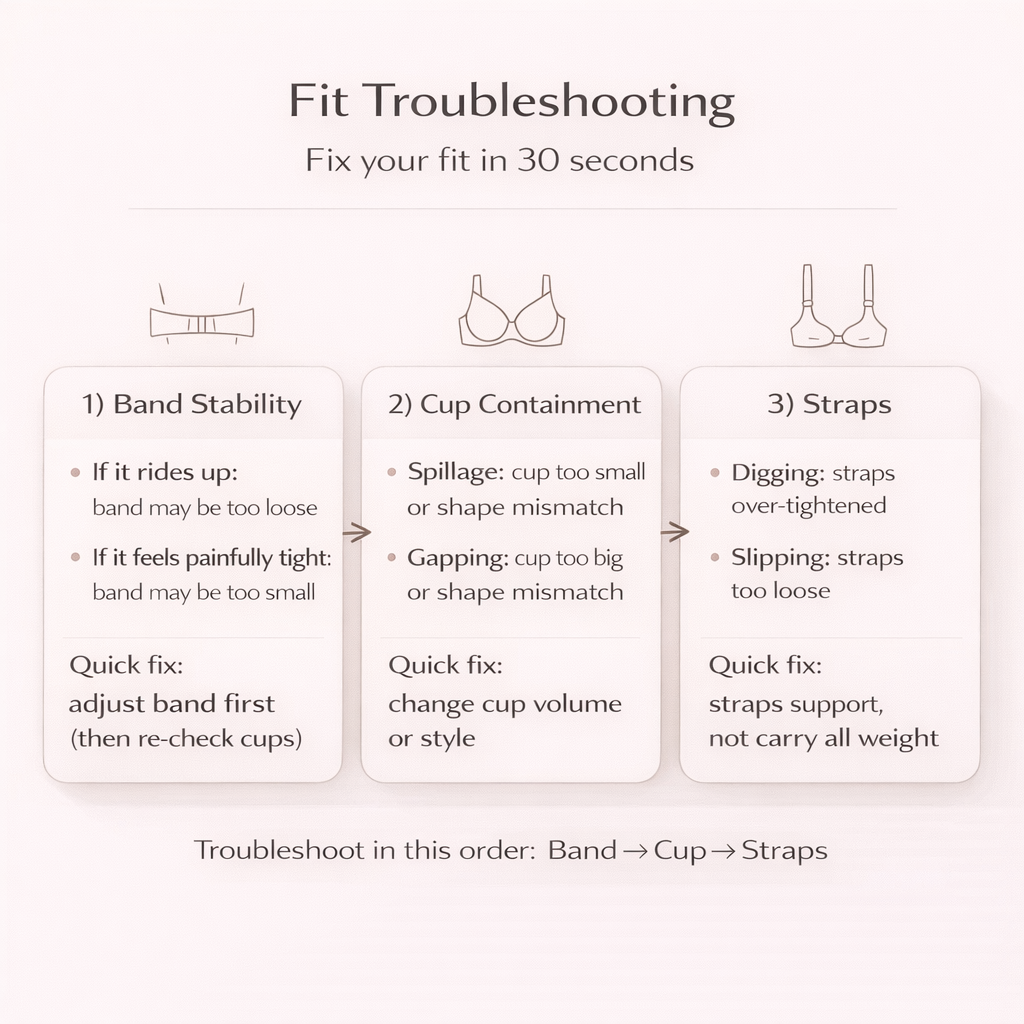
Fit troubleshooting: why the “right size” can still feel wrong
Even when measurements look correct, fit can vary because of:
- Different bra styles, like plunge, full coverage, and minimizer
- Band stretch and fabric feel
- Cup shape, including shallow versus projected fit
- Body changes from cycle, posture, heat, or daily swelling
If something feels off, troubleshoot in this order:
- Band stability — does it ride up?
- Cup containment — is there spillage or gapping?
- Straps — they should support, not carry all the weight

A wardrobe-completing extra
VEIMIA Non-slip Strapless Bra
Once your everyday size is clear, the next useful purchase is often not another everyday bra. It is an outfit-specific style that solves a real wardrobe problem. A secure strapless bra is exactly that: practical, polished, and helpful when you need a clean shoulder line without sacrificing support.
FAQ (Most asked questions)
1) Is 75C the same as 34C?
In VEIMIA’s reference chart, 34 corresponds to underbust 72.5–77.5 cm, which is commonly labeled 75 in cm-based systems. So 75C and 34C are often treated as equivalents when your underbust falls into the correct range.
2) What is a 36B equivalent to?
A common sister size for 36B is 34C. Choose based on whether the band feels too loose or too tight in that specific style.
3) How do I know if I should choose 34 or 36?
Use your underbust first:
- 72.5–77.5 cm → 34
- 77.5–82.5 cm → 36
4) Why does my bra ride up in the back?
A riding-up band often means the band is too loose, or the cups do not contain tissue properly, causing the bra to shift. Try a firmer band or a better cup shape.
5) My band feels tight—should I size up?
If the cups fit well but the band feels uncomfortably tight, try a sister size, which means band up + cup down. Also make sure you start on the loosest hook and consider whether the style runs snug.
Summary: your 60-second checklist
- Measure underbust + over bust
- Use the underbust range to pick your band
- Use the difference to pick your cup
- If needed, use sister sizing for comfort
Next steps: once your size is clearer, start with one breathable daily bra, then add a support-focused or outfit-specific option only if your wardrobe actually needs it. That way your bra drawer becomes more wearable, not just bigger.
Final takeaway
Measure clearly, then buy for real life
The best version of a bra size guide is not one that stops at numbers. It helps the reader understand what those numbers mean, how to fix common fit mistakes, and which bra styles are actually worth considering after the measuring tape is put away.
That is why this article is built to do more than explain 34B, 36C, 75B, and 80C. It is designed to help shoppers move from confusion to confidence, then quietly toward the right purchase.


