

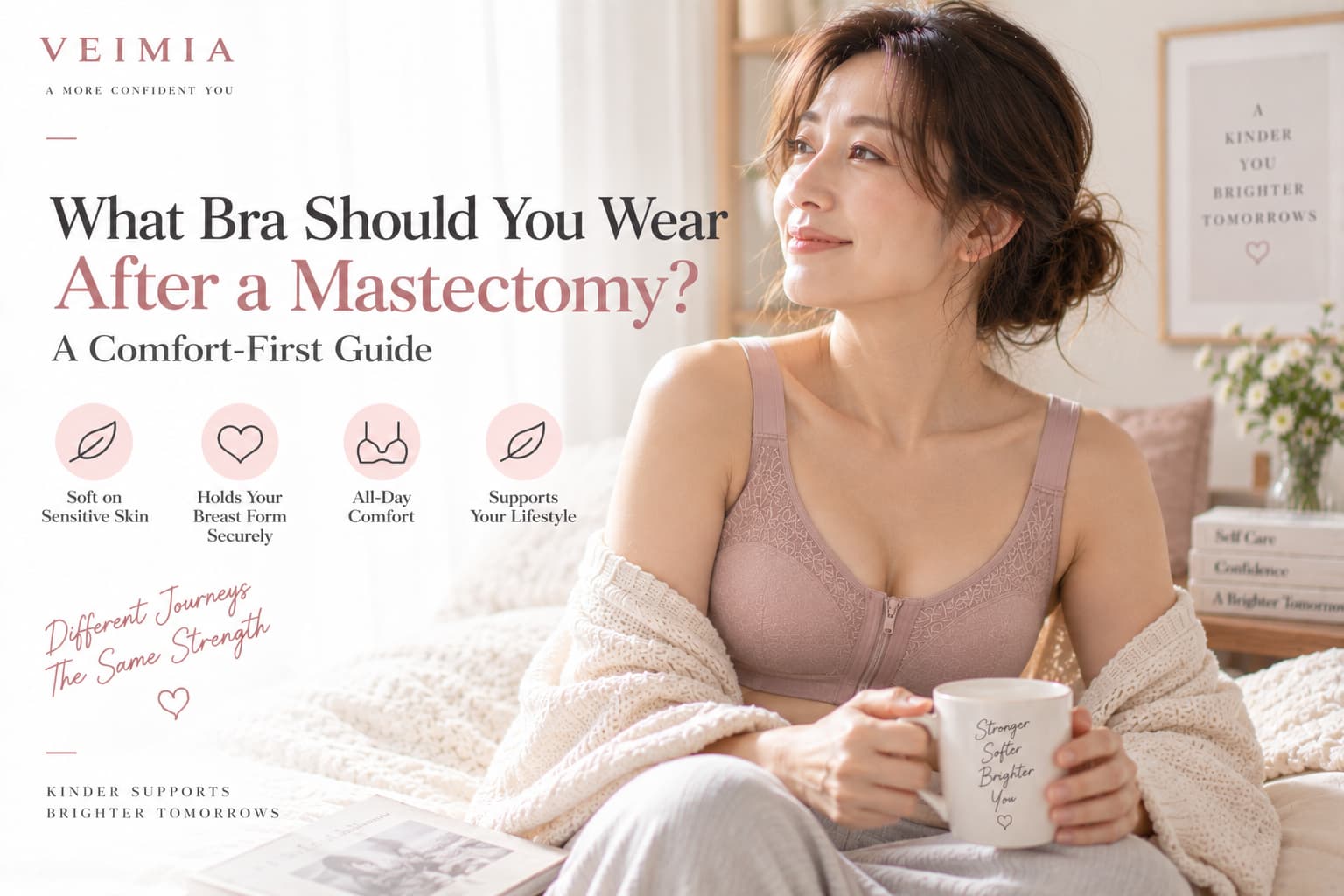
What Bra Should You Wear After a Mastectomy? A Comfort-First Guide
The right bra after a mastectomy depends on where you are in recovery, what surgery you had, whether you wear a breast form, and what feels comfortable on your skin and body. There is no single post-mastectomy bra that everyone needs.

What bra should you wear after a mastectomy? Start with your clinical team's instructions, then look for comfort rather than a label.
During early healing, many people find a soft, non-wired bra that is not too restrictive more comfortable. A front closure may also be easier if shoulder movement is limited. Later, your options can expand to regular bras, pocketed mastectomy bras, camisoles or sometimes no bra at all, depending on your surgery, breast-form use and personal comfort.
If you have had reconstruction, your surgeon may give more specific instructions about support and how long to wear a particular bra.
After breast surgery, the word “bra” can suddenly become much more complicated than it used to be.
A band that once felt ordinary may feel too firm. Lace may rub. Reaching behind your back to fasten hooks may feel surprisingly difficult. If you are wearing a breast form, you may also wonder whether you need a pocket to keep it secure.
At the same time, product names can make the decision feel more technical than it really is.
“Post-surgery bra.” “Mastectomy bra.” “Recovery bra.” “Pocket bra.”
Those labels can describe useful features, but the label itself is not the most important thing.
What matters is how the bra interacts with your healing skin, chest, movement, breast shape or prosthesis—and how it feels after more than five minutes of wear.
There Is No Single Bra for Every Stage
One of the most useful things to understand about a bra after breast cancer surgery is that the bra you want during early recovery may not be the bra you want three months later.
Immediately after surgery, your priorities may be softness, easy dressing and avoiding unnecessary pressure.
As swelling changes and movement improves, fit may change too.
Later, you may care more about whether a breast prosthesis sits securely, whether a neckline works with your clothes, or whether you simply want to return to styles you wore before surgery.
Breast Cancer Now notes that body shape and bra needs can continue to change during the months after treatment. That is one reason buying a large new bra wardrobe very early in recovery may not be useful.
The best bra for you now does not have to be the best bra for you forever.
Recovery changes. Bodies change. Clothing changes. Your preferences are allowed to change too.
If the broader body changes after surgery still feel unfamiliar, read Life After Mastectomy .
During Healing, Your Clinical Team's Advice Comes First
General bra advice cannot replace instructions from the team that knows which surgery you had.
This is especially important after breast reconstruction. Depending on the procedure, your surgeon may ask you to wear a specific support bra for a certain period, sometimes during both the day and night.
If you have not been given clear instructions, ask your surgeon or breast care nurse what they want you to wear.
During the first weeks after breast surgery, many people use a soft, non-wired bra that does not feel restrictive. Front fastening can also be easier when shoulder movement is stiff.
Swelling can temporarily alter your size, so a bra that fitted perfectly before surgery may not fit comfortably immediately afterwards.
Softness Is About More Than How the Fabric Feels in Your Hand
A bra can feel soft in a shop and still become irritating after several hours.
That is because skin comfort depends on more than fabric.
Look at seams. Look at where the band finishes. Feel the edges of the cups. Notice whether labels, lace, stitching or hardware sit against an area that is sensitive.
After surgery—and sometimes during or after radiotherapy—the chest may be more sensitive than usual.
Simple construction can therefore be useful.
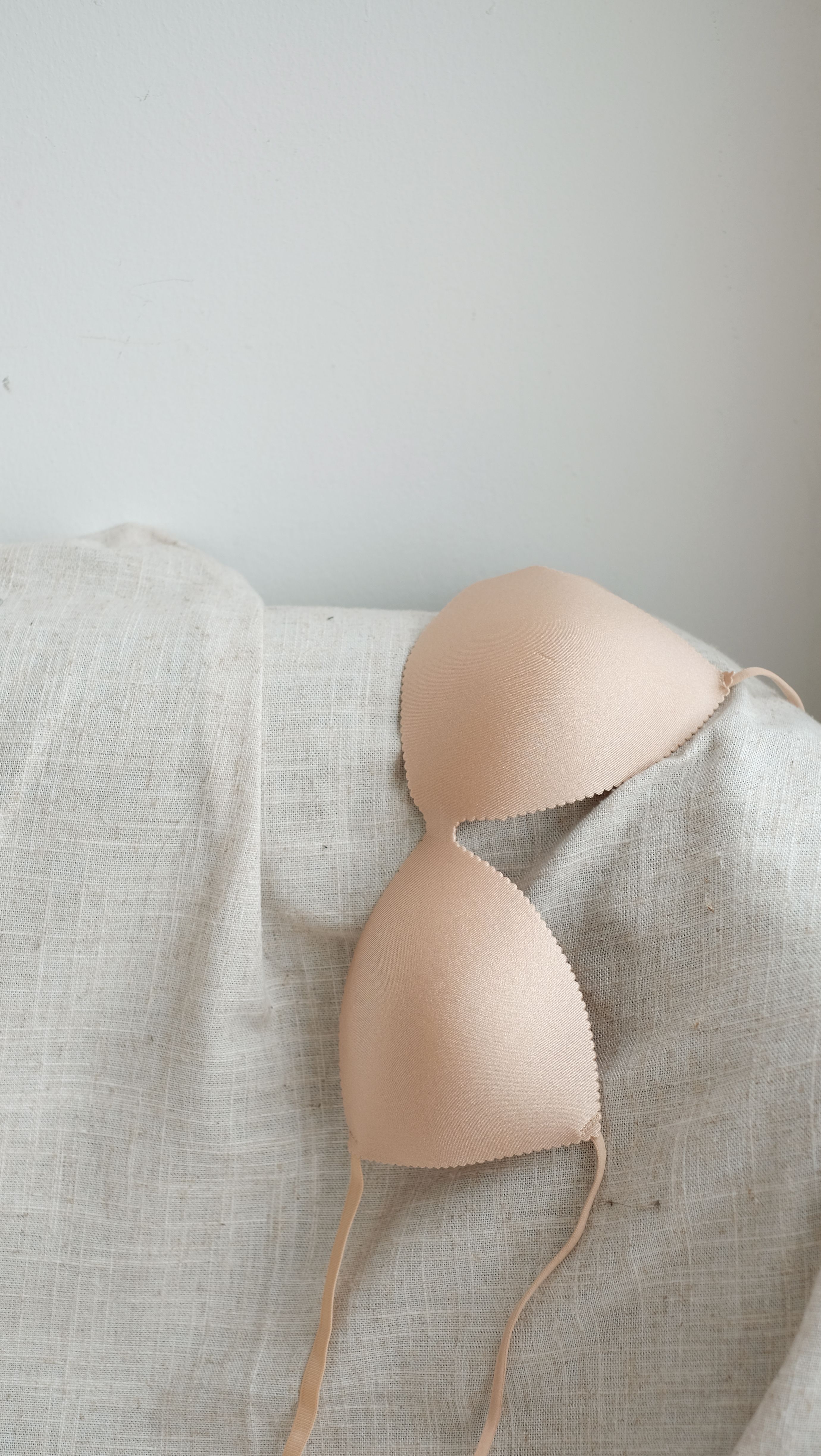
In Singapore and Malaysia's warm climate, a bra that feels comfortable in an air-conditioned fitting room may feel different after several hours outdoors.
Think about your actual day, not only the first impression.
Wireless vs Underwire: Does Post-Mastectomy Always Mean Wire-Free?
During active healing, wire-free is usually the more relevant starting point.
Underwires can press on areas that are still tender or healing, which is why non-wired bras are commonly recommended in the early period after surgery.
That does not necessarily mean underwire is forbidden forever.
Once the area has healed, some people can return to underwired bras if they want to and if their healthcare team has no concerns.
The decision may be different after reconstruction, so ask your surgical team before returning to underwire.
Wireless
Often the simpler choice during healing because there is no rigid wire underneath the breast or chest area. It may also remain your preferred everyday style long term.
Underwire
May become an option after healing for some people. Fit matters particularly because the wire should not press on sensitive tissue or surgical areas.
The point is not that one construction is universally superior.
The question is whether the structure suits your current stage of healing and your body.
Front Closure vs Back Closure: Think About Movement First
Closure placement can seem like a minor design feature until reaching behind your back becomes difficult.
In early recovery, shoulder stiffness may make a front-fastening bra easier to manage.
Instead of rotating the bra around the body or reaching backwards, you can see the closure and fasten it in front.
That does not mean everyone needs front closure permanently.
Once movement improves, you may prefer a conventional back closure because it offers familiar adjustability or because you simply like the style.
Front Closure May Help When...
Reaching behind your back is uncomfortable, shoulder movement is limited, or you simply prefer to see the fastening while dressing.
Back Closure May Work When...
Your mobility is comfortable again and you prefer a traditional adjustable bra construction.
Do You Need a Prosthesis Pocket?
Not necessarily.
If you wear a breast form, a well-fitting regular bra with enough cup coverage may sometimes hold the prosthesis securely.
A pocketed mastectomy bra simply adds an internal fabric pocket designed to contain the breast form.
Some people prefer the extra sense of security because the pocket helps reduce movement when bending, reaching or walking.
A pocket can also keep the form from sitting directly against the skin, which some wearers find more comfortable.
Others find that their regular bra works perfectly well.
A prosthesis pocket is a useful feature—not proof that a bra is automatically better.
What matters is whether your particular breast form stays secure and comfortable during the activities you actually do.
If breast forms are still new to you, first read the Breast Prosthesis Guide .
Examples of How Bra Features Can Match Everyday Needs
The following VEIMIA styles are included as practical examples of two different feature sets. They are not intended to replace advice from your surgical team or imply that either style is appropriate for every stage of recovery.
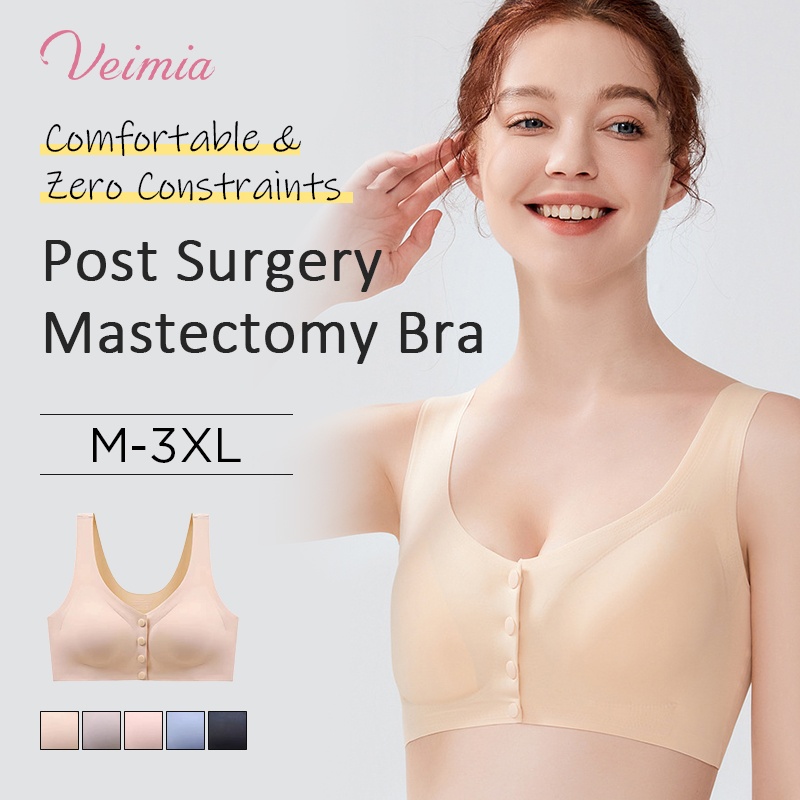
VEIMIA Seamless Front Closure Mastectomy Bra
The front fastening may be useful when reaching behind the body feels awkward, while internal prosthesis pockets add an option for breast-form wear.
Current SG listing: S$29
- Front closure
- Internal prosthesis pockets
- Seamless construction
- Wireless design
- Wide elastic straps
Consider this feature set when easier dressing is a priority. Whether it is appropriate during your current recovery stage should follow your clinical team's advice. Price and availability may change.
View Front Closure Option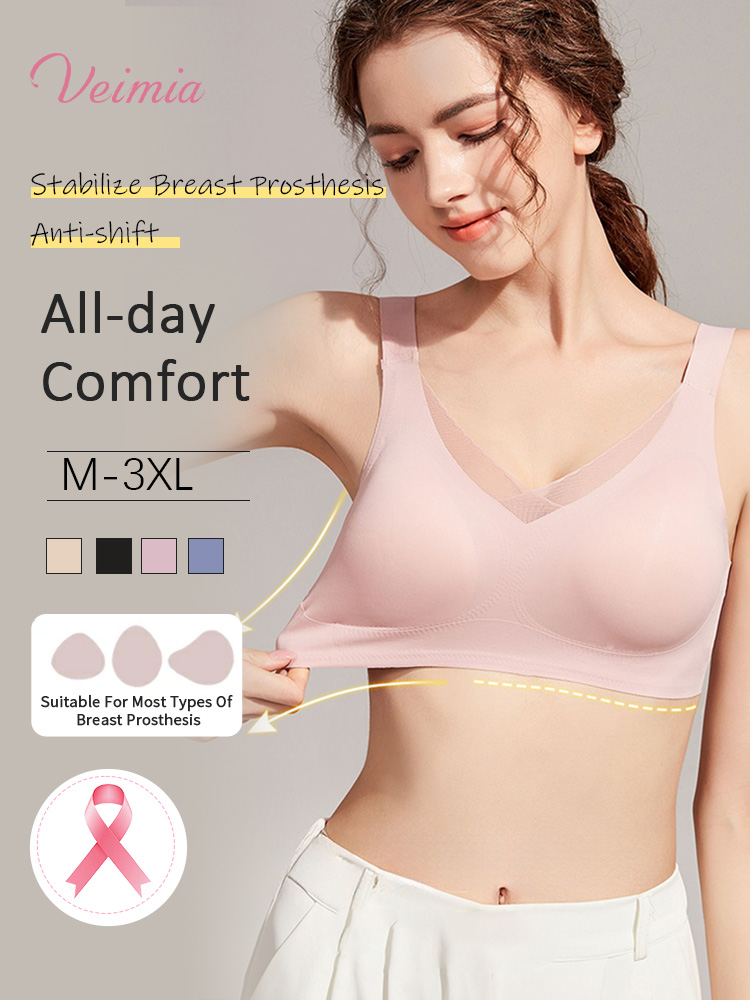
VEIMIA All-day Comfort Mastectomy Bra
This style combines a prosthesis pocket with wireless, seamless construction and adjustable straps for people looking at softer everyday support once that style is appropriate for them.
Current SG listing: S$35
- Prosthesis pocket
- Wireless construction
- Seamless design
- Adjustable shoulder straps
- Back closure
This is one daily-wear option rather than a universal recovery bra. Check fit carefully with your own breast form if you use one. Price and availability may change.
View All-day Comfort OptionCoverage and Underarm Comfort Matter More Than They First Appear
Coverage is not simply about modesty.
Cup depth and side-panel height can affect how the bra sits around the chest and how securely a breast form is held.
If lymph nodes were removed or surgery extended toward the underarm, that area may also feel different.
A side panel that feels supportive to one person may feel too high or irritating to another.
Try moving your arms rather than assessing the bra only while standing still.

Raise your arms gently if your recovery stage allows it.
Sit down.
Lean forward.
Notice the band.
If you wear a breast form, check whether it stays in the position you want.
A bra should work when you are living, not only when you are looking in the mirror.
What About a Regular Bra?
You do not automatically need a bra labelled “mastectomy” for the rest of your life.
After healing, some people return to regular bras. If you wear a breast form, a supportive full cup may be enough to keep it in place.
A regular bra can also be altered by adding a pocket.
Specialist bras become useful when their features solve a particular problem—such as easier fastening, a built-in prosthesis pocket, softer construction or additional coverage.
That is a more useful way to think about them than assuming “mastectomy bra” is a compulsory clothing category.
A Regular Bra May Be Enough If...
You have healed, it feels comfortable, your care team has no specific restriction, and it gives you the support or breast-form security you need.
A Mastectomy Bra May Help If...
You specifically value features such as internal pockets, easier fastening, softer construction or greater cup and side coverage.
For a detailed comparison, continue to Mastectomy Bra vs Regular Bra .
Use a Comfort-First Checklist Before Choosing a Bra
Instead of beginning with a product name, begin with seven questions.
Comfort-First Bra Checklist
Try the bra on your body, with your current recovery needs and normal daily routine in mind.
Do the fabric, seams and cup edges feel gentle against areas that are sensitive?
Does the band feel supportive without digging into your chest, scars or surgical area?
Can you comfortably fasten and remove the bra with the movement you currently have?
If you use a breast form, do you want a built-in pocket—or does a regular supportive cup already work?
Do the cups and side panels sit comfortably without creating pressure around the underarm or chest?
Does the bra remain comfortable when you walk, sit, reach and bend? Does a prosthesis stay where you want it?
Will the fabric and construction remain comfortable through warm weather, humidity, commuting or hot flushes?
Am I choosing this because it genuinely feels right—or because I think I am supposed to wear a particular kind of bra after surgery?
Fit deserves its own attention too.
A bra can have every feature on your wish list and still be uncomfortable if the size is wrong.
Swelling and body changes after surgery can affect bra size, so being professionally fitted—or carefully remeasuring yourself when healing allows—can be useful.
Continue with our Mastectomy Bra Fit Guide .
The Best Bra Is Not Necessarily the Most “Specialised” One
Breast surgery can make ordinary clothing decisions feel medical.
Some of that is necessary during healing.
But over time, bra choice can become ordinary again.
Perhaps you prefer a front closure because it is simply easier.
Perhaps you want a pocket because you wear a breast form.
Perhaps your old wireless bra still works beautifully.
Perhaps you prefer not to wear a bra on some days.
A post-mastectomy bra should solve a need—not create a new rule for your body.
Start with clinical safety during healing. After that, let comfort, movement, clothing and personal preference do more of the deciding.
From the VEIMIA Pinkbook Breast Care Series
→ Life After Mastectomy → Breast Prosthesis Guide → Mastectomy Bra vs Regular Bra → Mastectomy Bra Fit GuideWhat Bra to Wear After Mastectomy: Frequently Asked Questions
What kind of bra should I wear after a mastectomy?
Follow your surgical team's instructions first. During early healing, many people find a soft, non-wired and non-restrictive bra comfortable. Front fastening may be easier if shoulder movement is limited. Your options can change as healing progresses.
Do I have to wear a mastectomy bra after surgery?
Not everyone needs a bra specifically labelled as a mastectomy bra. Your surgeon may give specific instructions depending on your operation. After healing, some people comfortably use regular bras, while others prefer specialist features such as prosthesis pockets.
Is a front closure bra better after mastectomy?
It can be easier during early recovery if reaching behind your back is uncomfortable or shoulder movement is limited. It is a convenience feature rather than a requirement for everyone.
Should a post mastectomy bra be wireless?
Non-wired bras are commonly preferred while the surgical area is recovering because rigid underwires may feel uncomfortable. After healing, underwire may be possible for some people if it fits well and their healthcare team has no concerns.
Do I need a pocketed bra for a breast prosthesis?
Not always. A well-fitting regular bra with sufficient coverage may hold some breast forms securely. A pocketed bra provides an internal compartment that can help keep the form in place and separate it from the skin.
Can I wear my normal bra after a mastectomy?
After healing, some people can return to regular bras if they are comfortable and there are no specific restrictions from their care team. If you wear a breast form, the bra should provide enough support and coverage to keep it secure.
What should I look for in a comfortable post mastectomy bra?
Consider softness, pressure, closure style, prosthesis pockets if needed, cup and side coverage, comfort during movement and how breathable the bra feels in your climate.
How tight should a bra be after mastectomy?
Unless your surgical team has prescribed a specific level of compression or support, a bra should not feel painfully tight or place uncomfortable pressure on healing areas. Swelling may also temporarily change your usual bra size.
Medical note: This article provides general education about bras after breast surgery and does not replace individual post-operative instructions. Reconstruction, wound healing, drains, swelling, radiotherapy and other treatment factors can change what support is appropriate. Follow advice from your surgeon or breast care nurse for your own recovery.