

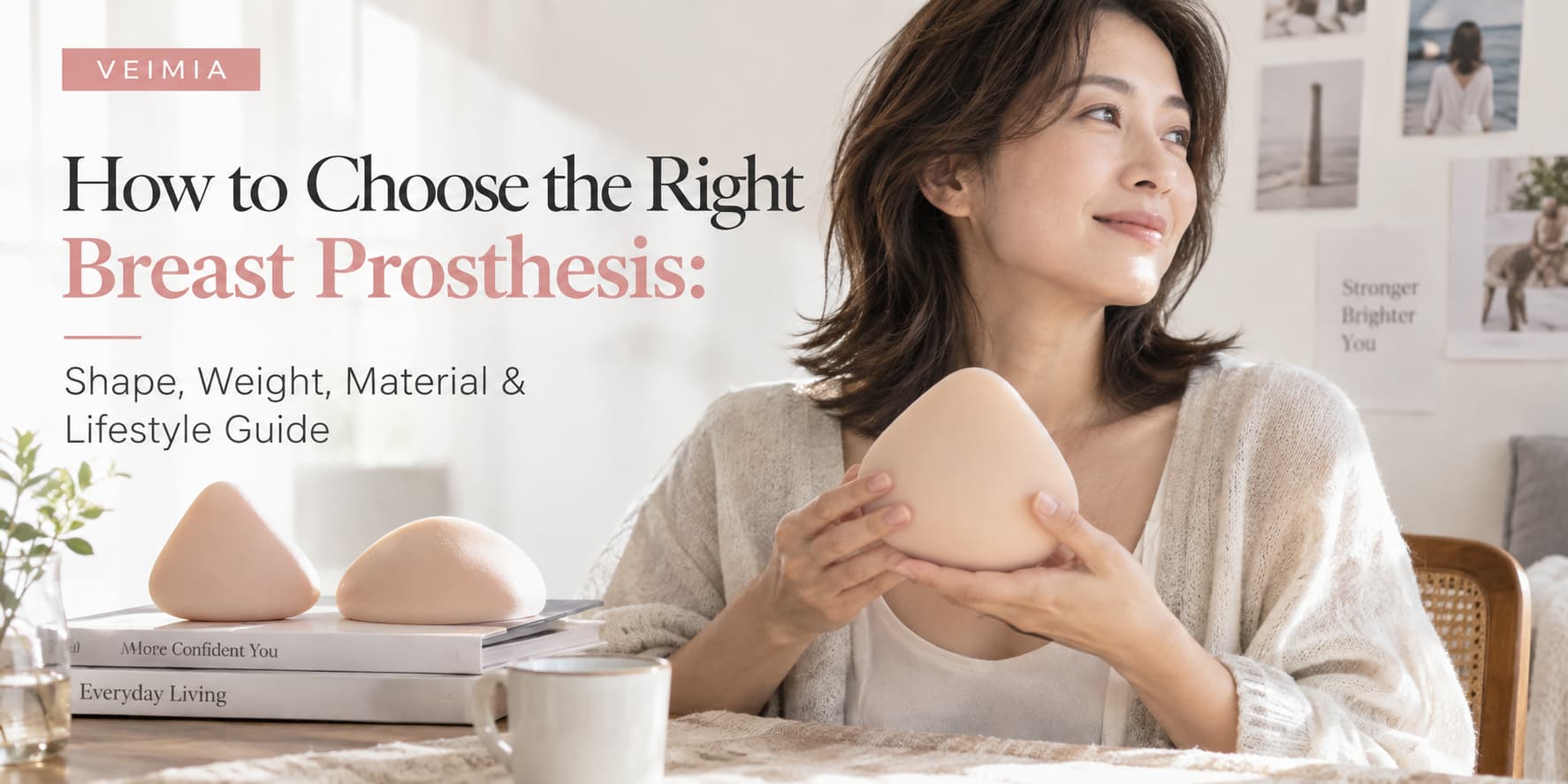
How to Choose the Right Breast Prosthesis: Shape, Weight, Material & Lifestyle Guide
The right breast prosthesis is the one that fits your body, feels comfortable at the weight you prefer and works with the clothes and activities that matter to you.
Start by deciding whether you need a full or partial breast form. Then compare shape, size, weight and material. Finally, try the form with the bra and clothing you actually expect to wear rather than choosing from measurements alone.
There is no universal “best” breast prosthesis. A full-weight silicone form may suit one person, while someone else may prefer a lightweight form, a partial shaper or a specialist form for swimming or leisure.
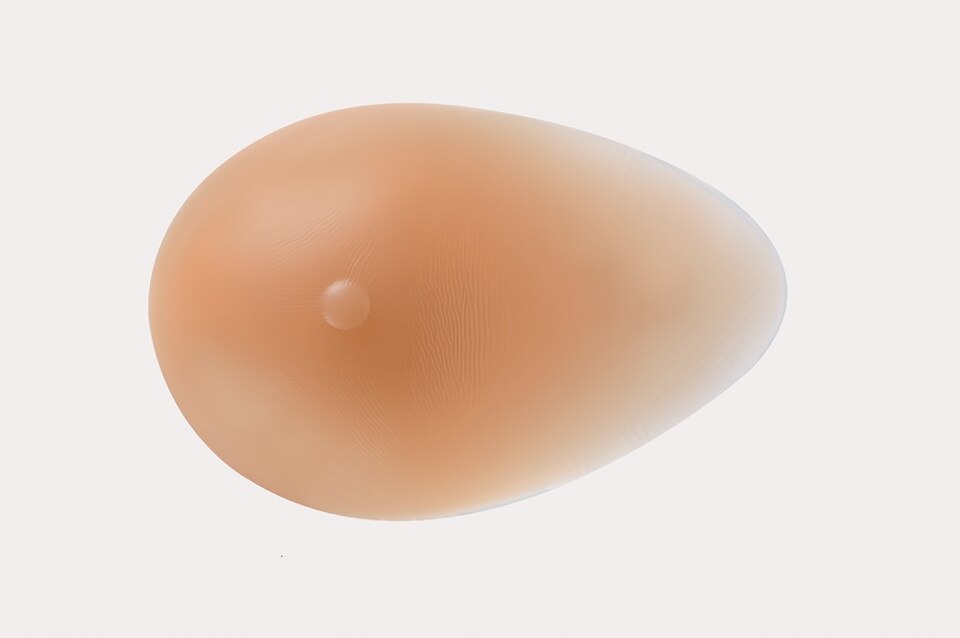
A full external form can come in different contours. A teardrop is only one example—not a shape that automatically suits everyone.
Photo: Fotostudio KME GmbH / ABC Breast Care, via Wikimedia Commons , CC BY-SA 4.0.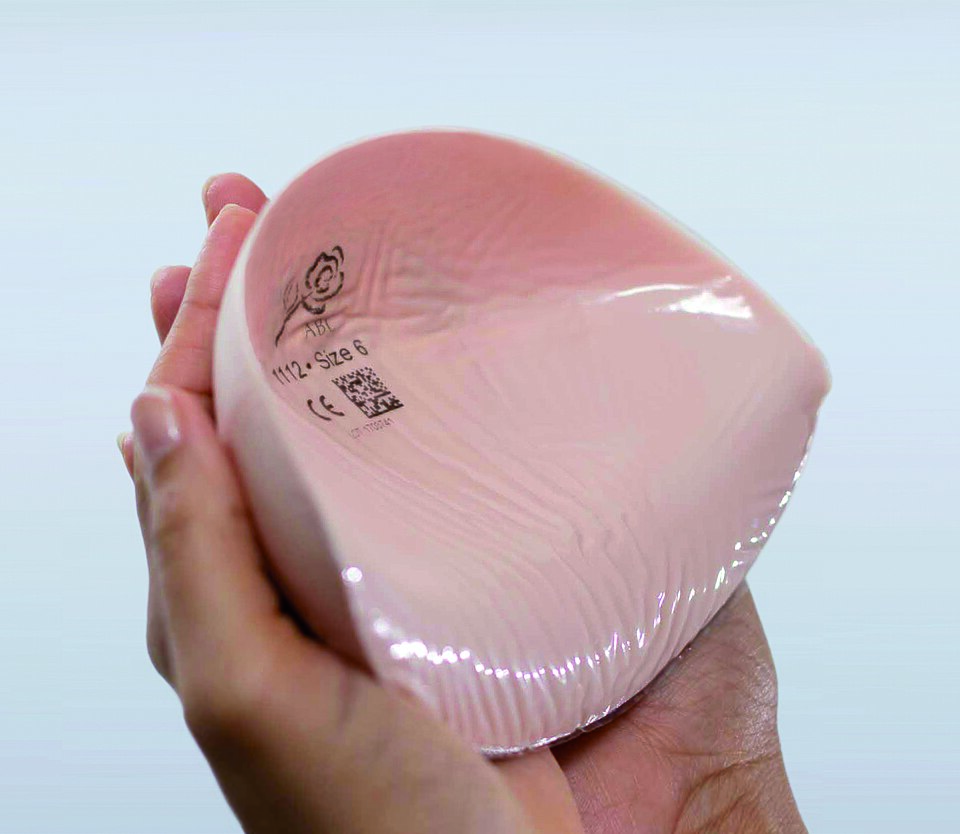
A partial form fills a specific area rather than replacing the outline of the whole breast. It may be considered after breast-conserving surgery or for asymmetry.
Photo: American Breast Care, via Wikimedia Commons , CC BY-SA 4.0.Do not choose by cup size alone. Breast-form sizing systems vary by product, and the most useful choice depends on chest shape, remaining breast tissue, preferred weight, bra fit and lifestyle.
1. Do you need a full or partial breast prosthesis?
Full breast prosthesis
A full form replaces the outline of the whole breast after mastectomy. If one breast remains, the fitter may compare its size, shape and weight when helping you choose.
Partial breast prosthesis
A partial form—or shaper—adds volume only where it is needed. It may be useful after breast-conserving surgery, reconstruction or when one area needs balancing.
If these terms are new to you, start with what a breast prosthesis is .
2. Choose a shape that matches your body—not a shape name you like
Full breast prostheses are available in different contours. The useful shape is the one that sits comfortably against your chest and gives the amount of upper, lower and side fullness you want.
3. Decide how much weight feels comfortable
Silicone breast forms are available in different weights. After a single mastectomy, some people prefer a form whose weight feels similar to the remaining breast. Others find a lighter option more comfortable.
Weight should not be treated as “more realistic is always better”. A larger full-weight prosthesis may feel tiring for some people, while a form that is too light can sometimes move or ride upward.
Try the form with your bra and move naturally before deciding.
4. Compare silicone with lightweight materials
Most longer-term breast prostheses are made from silicone. Silicone can provide a soft, flexible shape and is available in different weights and profiles.
Foam and other lightweight forms are also available. They may feel cooler and lighter, which some people prefer for physical activity or warm-weather dressing.
This can be particularly relevant if you live in a warm, humid climate such as Singapore or Malaysia and find heat or perspiration behind a heavier prosthesis uncomfortable. Some designs also use breathable or airflow-focused backings.
Lifestyle → Breast Form Type: a practical decision framework
5. Check whether the breast form works with your bra
Do not evaluate the prosthesis in isolation. Bring or wear a bra you already find comfortable when trying breast forms.
A well-fitting full-cup regular bra may hold some forms securely without a built-in pocket. A pocketed bra can provide additional containment if that feels more stable to you.
- The cup contains the form without squeezing or obvious gaping
- The band stays secure rather than riding upward
- The prosthesis remains reasonably stable when you walk and sit
- The weight feels manageable over the time you expect to wear it
- Your clothing falls the way you want without constant adjustment
- The form does not create uncomfortable heat, rubbing or pressure
For more detail, read our breast form and bra compatibility guide .
6. A professional fitting can help you compare several variables at once
A trained prosthesis fitter can let you compare different sizes, shapes and styles rather than trying to solve each variable separately.
Bring a well-fitting bra and, if useful, a few tops with different necklines. Tell the fitter about the activities you want to do, how much weight you are comfortable wearing and whether heat, sensitive skin or movement are particular concerns.
If you are still healing after surgery, fitting timing should follow your breast care team's guidance rather than a shopping deadline. See when to consider breast prosthesis fitting .
FAQ: How do you choose the right breast prosthesis?
How do I know what breast form size I need?
Breast-form size systems vary by manufacturer. Your current bra fit, chest shape, remaining breast and the specific prosthesis model all matter, so use the manufacturer's sizing information and consider a professional fitting rather than relying on cup size alone.
Is a silicone breast form better than a lightweight breast form?
Neither is automatically better. Silicone may provide the weight and feel some people prefer, while lightweight foam or lighter silicone may feel more comfortable for activity, larger sizes or warm weather.
Should a breast prosthesis weigh the same as my other breast?
Some people with one remaining breast prefer a similar weight for balance, but comfort matters too. A lighter form may suit you better, particularly in a larger size.
How do I choose between a full and partial breast prosthesis?
A full prosthesis replaces the outline of the whole breast. A partial form adds volume only to a specific area and may be useful after breast-conserving surgery, reconstruction or for asymmetry.
Do I need a pocketed bra before choosing a breast prosthesis?
No. Many breast forms can work inside a well-fitting full-cup regular bra. A pocketed bra is an optional way to provide extra containment and separation.
Should I get professionally fitted for a breast prosthesis?
A professional fitting can be helpful because it allows you to compare multiple sizes, shapes and weights while checking the result with your bra and clothing. It is especially useful if you are unsure about fit or have changing body needs.
Example of a silicone breast form—not a universal recommendation.
If you are specifically comparing lightweight silicone options, VEIMIA currently carries a left-right universal silicone breast prosthesis in several listed weights. Use the product-specific size guide rather than assuming its weight numbers translate directly to another brand.